When skin is congested, three things happen at the same time. It looks duller. The texture feels less smooth across the cheeks and forehead. And pores look more visible than they actually are. None of those things are about pores changing size — they're about how light hits the skin's surface and how the surface itself is sitting. The fix is the same fix for all three: refine the surface, smooth the texture, and let glow come back. Without stripping the barrier.
Pores are normal. Congestion is the part that changes.
Every skin has pores. They are how skin breathes, how oil reaches the surface, and how the barrier renews itself. They are not the problem. What changes — week to week, season to season — is what's sitting in and around them. When dead skin cells, oil and product build up at the surface, the skin reads as uneven. Light catches the texture differently. Pores look more pronounced because the skin around them is rougher, not because the pores have grown.
That distinction matters because it changes what helps. Trying to make pores smaller is a losing battle. Helping the skin around them look smoother, calmer and more even-toned — that is where the visible result comes from. (More on the science of this in our complete guide to pore care.)
What congested skin tends to look like in the mirror
Most people describe the same handful of signs:
- Skin looks flat or dull in natural light
- Pores read as more visible across the T-zone and cheeks
- Surface texture feels rough to the touch, even after cleansing
- Makeup sits unevenly or settles into texture
- Skin looks tired even when you've slept
All five of those are surface signals. They tell you what the skin is carrying — not what your skin is, structurally. Most settle once the surface is reset and the barrier is supported.
What drives the look of congested skin
Three things sit behind the pattern. Knowing which one is loudest in your skin makes the routine simpler.
Heat, hormones and humidity. All three increase how much oil the skin produces, and how quickly it sits on the surface. Congestion tends to cluster in the T-zone for this reason.
Slow surface renewal. The skin's natural cycle of shedding dead cells slows with age, dehydration, or sustained use of heavier products. The surface stops looking as smooth as it could.
Layered product residue. Sunscreens, primers, silicones and richer creams can leave a film. That film mixes with sebum and dead cells and sits in the texture. It is one of the most common drivers, and it's almost invisible until the skin is reset.
Most people are dealing with a mix of all three. The good news is that all three respond to the same approach — surface refinement plus barrier support, used at a sensible cadence.
Why harsher rarely fixes it
The reflex when skin starts looking congested is to scrub harder, exfoliate more often or step up to stronger acids. That instinct is where the skin tends to get worse, not better. Aggressive routines lift the surface but leave the barrier exposed. A reactive barrier produces more oil to defend itself. More oil sits on the surface. The cycle continues.
The opposite — avoiding any exfoliation in case it irritates — leaves the surface unrenewed for too long. Texture stays uneven. Glow stays flat. Neither extreme is the answer.
What helps is a balanced reset: enough surface refinement to clear what's sitting there, paired with the barrier-supportive ingredients that keep the skin calm while it works. A simpler routine, used consistently, beats a harder one used inconsistently every time.
What a balanced reset actually looks like
Three ingredients carry the work, and one job carries the routine.
A surface refiner. Lifts dead cells and product buildup at the skin's surface, where the eye reads texture. This is where smoother, more even-looking skin starts. (Read more on how AHAs and BHAs differ.)
An inside-the-pore clearing ingredient. Reaches the lining of the pore, not just the surface, so the visible look of the pore softens over time.
A calming, barrier-first layer. Holds the skin steady while the refinement happens, so the routine doesn't trade results for irritation.
Used on the right cadence — a few nights a week, not every night — this is the routine that gives most skin its glow back. Without sting. Without sticky finish. Without the guesswork of layering five different actives.
A simpler reset is coming
We've spent the past two years building a single step that does all three jobs at once: refines the surface, clears inside the pore, and supports the barrier while it works. It's designed for skin that wants results — smoother texture, refined pores, more visible glow — without the trade-off of a stripped routine.
More on it very soon. In the meantime, the most useful shift is the one we just walked through: stop thinking about pores as the problem to fix, and start thinking about the surface around them as the part to reset.
FAQs
Why do my pores look more visible some weeks than others?
It's almost always congestion at the surface, not a change in the pore itself. Heat, hormones and product residue all push the surface to look rougher. Once the surface is refined and the barrier is calm, pores tend to read as softer.
Is exfoliating bad for sensitive skin?
Not when it's balanced. The problem is over-exfoliation, not exfoliation itself. A few nights a week, paired with a calming layer that holds the barrier, works for most sensitive skin types.
Can I make pores look smaller permanently?
Pores don't structurally shrink. But the look of pores changes a lot when the surface around them is smoother, the skin is more even-toned, and glow is back. That's what "refined pores" actually means in practice.
Continue reading on the Skin Edit
- The Complete Guide to Pore Care — what works, what doesn't
- AHA vs BHA — which acid does what
- Skin Barrier 101 — why protecting it matters more than you think
Featured in this article
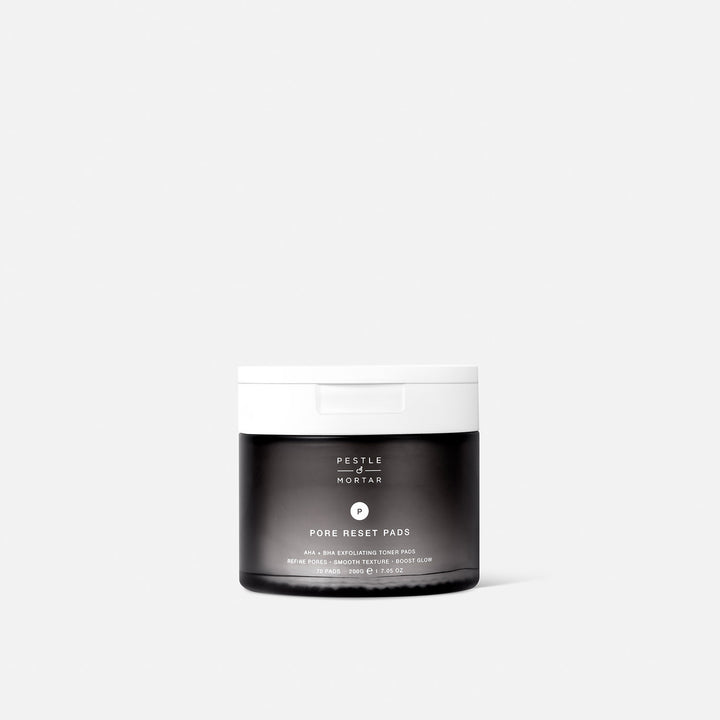
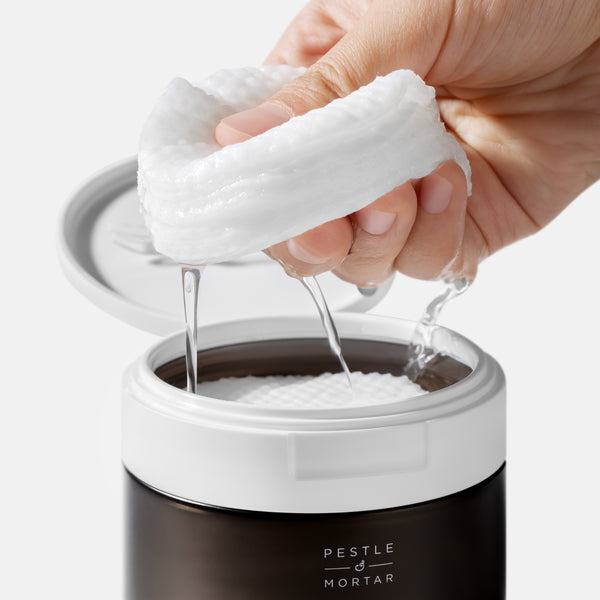
Pore Reset Pads — Refine pores. Smooth uneven texture. Bring glow back — without the stripped feeling. 70 pads per jar · {{ product.price | money }}